


Foaming Characteristic Apparatus DFC-601
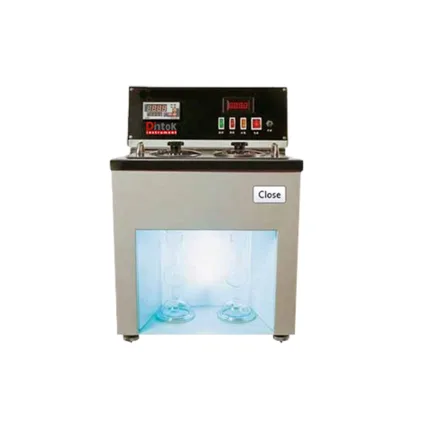
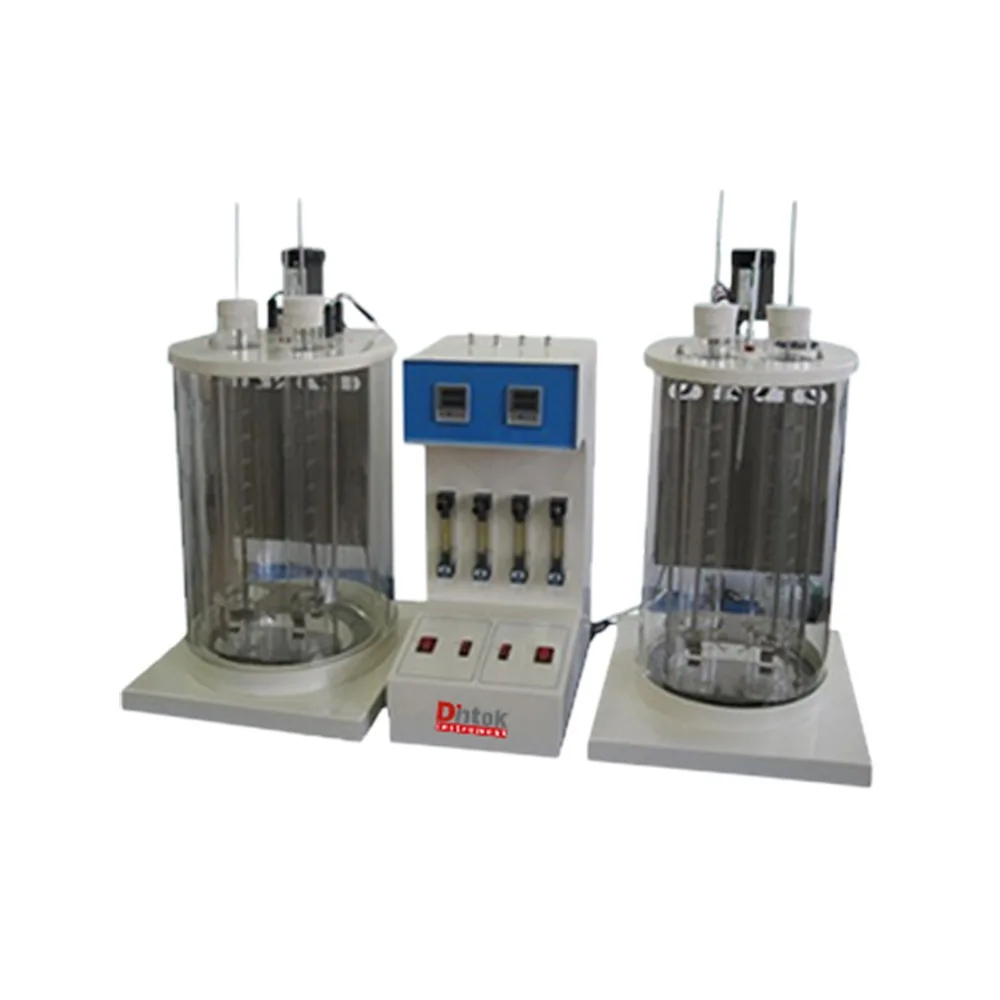
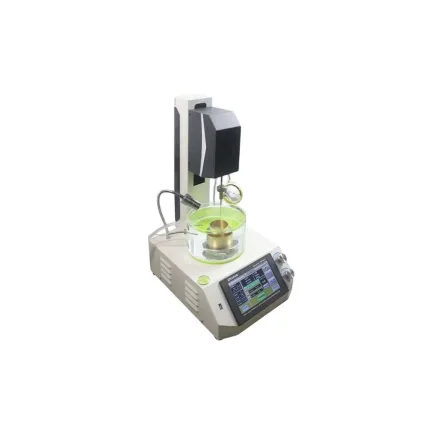
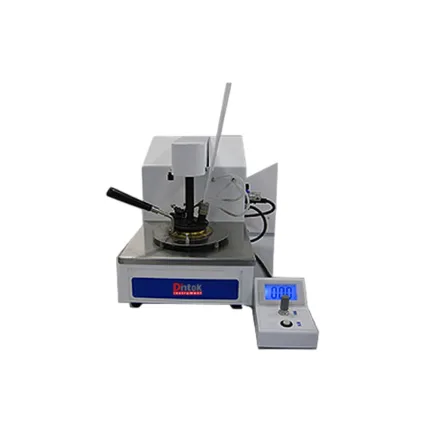
Foaming characteristic apparatus for lubricating oil conforms to ASTM D892 Standard Test Method for Foaming Characteristics of Lubricating Oils; the apparatus is used for testing the foaming characteristics of lubricating oils at 24°C and 93.5°C. Means of empirically rating the foaming tendency and the stability of the foam are described.
Specification :
Features
1. The digital display temperature controller features flexible operation and high precision.
2. The heating output adopts solid-state relay, contactless, sparkles, and noiseless. Long life time, safe and reliable.
3. The heater adopts stainless steel material. The heating rate is fast and the life time is long.
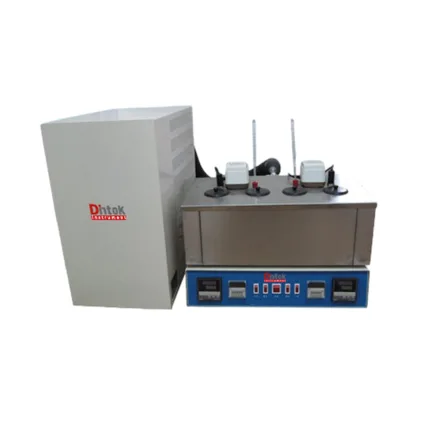
4. The apparatus is equipped with two holes, can do two groups of parallel sample experiments, improve work efficiency.
5. The apparatus is equipped with four groups of flow meters, convenient to observe the flow of experimental gas.
6. Rational design with attractive appearance and friendly to the environment.
Technical parameters
1. Rated voltage: AC220V±10% 50Hz
2. Power: 2800W
3. Temperature controlling mode: digital display
4. Temperature controlling point: 24°C, 93.5°C
5. Temperature controlling precision: ±0.5°C
6. Sensor: Pt100
7. Hole of the bath: 2 holes
8. String mode: electrical machine 1250turns/min
9. Ambient requirement: Temperature 15~30°C, Humidity≤85%
Precise Evaluation of Oil Foaming Tendency with the Foaming Characteristic Apparatus DFC-601
Ensure lubricant reliability and performance with the Foaming Characteristic Apparatus DFC-601—a fully automated, benchtop testing system engineered to determine the foaming properties of lubricating oils, hydraulic fluids, and gear oils in accordance with ASTM D892, ISO 6247, and IP 146 standards. Critical for power generation, aviation, and industrial machinery, this apparatus measures both foam tendency and foam stability, helping prevent lubrication failure caused by air entrainment.
Engineered for Repeatable, Standards-Compliant Testing
The DFC-601 Foaming Characteristic Apparatus uses controlled air sparging at precise temperatures (typically 24°C, 93.5°C, and post-93.5°C cooled to 24°C) to generate foam in a standardized oil sample. After a fixed air flow (typically 94 ± 5 mL/min for 5 minutes), the instrument measures the foam volume immediately (foam tendency) and again after a 10-minute rest period (foam stability). Results are displayed in milliliters (mL) and fully comply with global testing protocols.
- Full Compliance with ASTM D892 & ISO 6247 – Validated for turbine oils, compressor lubricants, and hydraulic fluids.
- Triple-Temperature Testing in One Cycle – Automated sequence for 24°C → 93.5°C → 24°C (Sequence I, II, III).
- Precision Air Flow Control – Mass flow controller ensures consistent 94 mL/min air injection.
- Digital Temperature Regulation (±0.1°C) – Integrated heater and cooling fan for rapid, stable temperature transitions.
- Transparent Graduated Cylinders with LED Backlight – Enables clear foam level reading; optional camera-based detection available.
- Automatic Timer & Data Logging – Stores test parameters and results; USB export for compliance reports.
Trusted in Lubricant Development and Quality Control
Excessive foaming reduces lubricant film strength, causes overflow, accelerates oxidation, and leads to pump cavitation. The DFC-601 enables formulators and QC labs to verify that oils meet OEM specifications (e.g., GE, Siemens, Denison, or ISO L-HM requirements) and detect contamination or additive depletion in used oils.
Whether qualifying new turbine oil or troubleshooting field failures, the Foaming Characteristic Apparatus DFC-601 delivers accurate, auditable, and fully automated foam analysis—ensuring your lubricants perform as intended, even under demanding conditions.
Control foam. Protect machinery. Guarantee performance.


Reviews
There are no reviews yet.